
WaterStep deploys bleach hubs in Ebola response across Central Africa

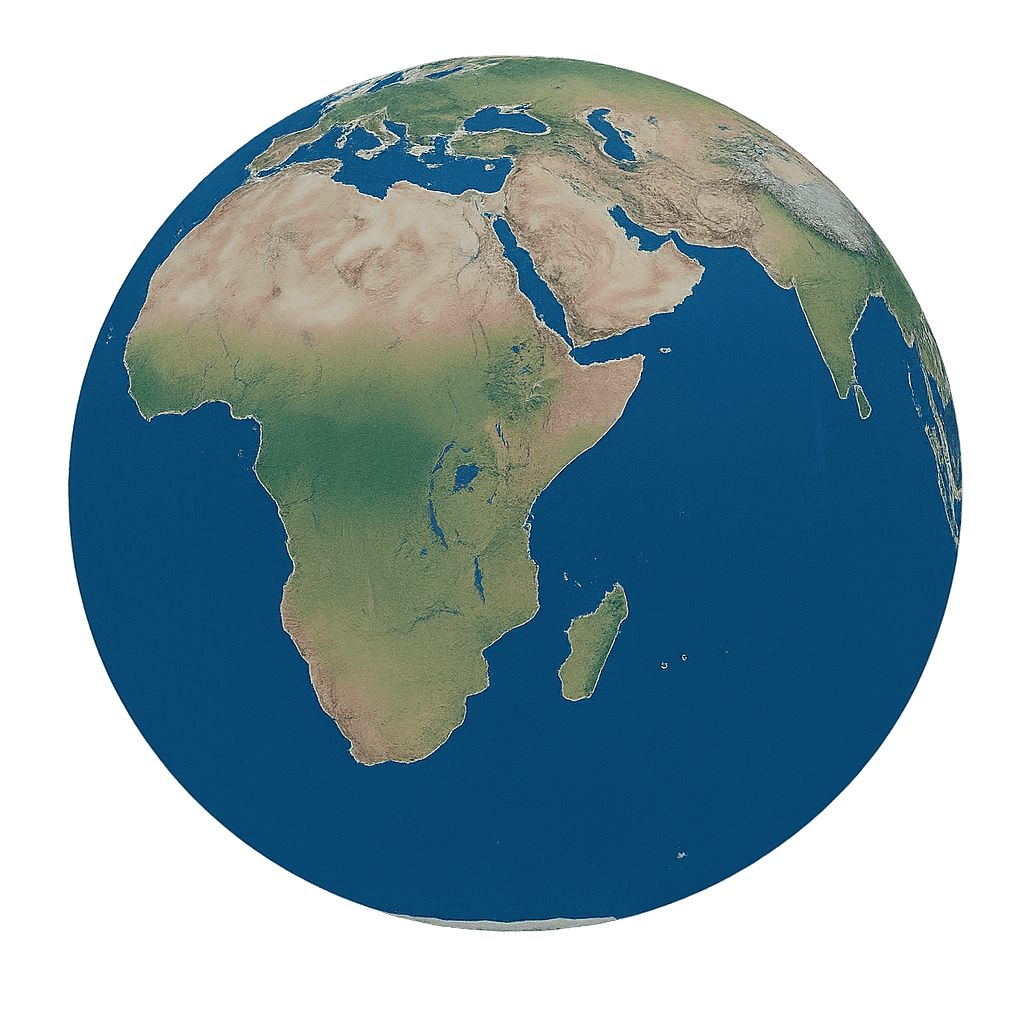
By AI, Created 5:26 PM UTC, June 04, 2026, /AGP/ – WaterStep has launched emergency operations in the Democratic Republic of Congo, Uganda and Kenya as a fast-moving Ebola outbreak strains local health systems. The nonprofit is setting up on-site bleach production near affected communities to help clinics and frontline workers disinfect faster and reduce reliance on fragile supply chains.
Why it matters: - WaterStep’s bleach hubs are meant to give health workers a fast local source of disinfectant during an outbreak that WHO says is moving ahead of the medical response in parts of Central Africa. - On-site production matters because Ebola control depends heavily on surface disinfection, hand hygiene and infection prevention in clinics, schools, markets and transport hubs. - The response is aimed at areas where conflict, displacement and weak infrastructure make supply chains unreliable.
What happened: - WaterStep launched emergency operations in the Democratic Republic of Congo, Uganda and Kenya. - The organization is establishing emergency bleach production hubs near affected communities and healthcare facilities. - In Goma, DRC, WaterStep teams distributed bleach and handwashing stations to schools, clinics and public gathering spaces. - In Bunia, DRC, WaterStep secured facilities to mass produce chlorine bleach for hospitals, schools, markets and churches. - WaterStep is also expanding infection prevention work into Uganda and Kenya along key cross-border travel routes. - The outbreak is being driven by the Bundibugyo strain of Ebola virus. - WHO reported on June 2, 2026, 321 confirmed cases and 116 suspected cases in the DRC, with 48 confirmed deaths and more than 240 suspected deaths. - WHO also reported nine confirmed cases, one death and one suspected case in Uganda.
The details: - WHO says there are no approved vaccines or licensed therapeutics for the Bundibugyo strain. - WHO has assessed the risk as very high in the DRC and high at the regional level. - WHO recommends chlorine-based disinfection of affected health facilities and surrounding communities. - WHO also recommends functional handwashing stations at all key entry and transit points. - WHO calls for sustained community sensitization to reduce stigma, encourage early care-seeking and reinforce safe practices. - WaterStep says its response package is aligned with WHO guidance. - Mark Hogg, WaterStep founder and CEO, said the organization’s technology allows hospitals and clinics to produce disinfectant that exceeds WHO standards on site using water, salt and electricity. - Hogg said facilities can begin producing bleach within hours and keep producing it as long as the outbreak lasts. - WaterStep’s patented BleachMaker was developed after the 2014 Ebola crisis in West Africa. - The portable system uses water, salt and electricity to produce chlorine bleach on site in less than 90 minutes. - WaterStep says the technology helped during the DRC’s 2018-2020 Ebola outbreak, when damaged roads, insecurity and remote geography made transport of liquid bleach difficult. - Dr. Jean-Jacques Muyembe said in 2020 that more than 100 doctors used WaterStep’s BleachMaker in 2019 to help reduce further Ebola infection in the DRC. - WaterStep says it has responded to more than a dozen deadly outbreaks of Ebola, cholera, typhoid and COVID-19 since 2014. - WaterStep said a donation page for the response is available at More information.
Between the lines: - The outbreak response reflects a practical gap in epidemic control: even when treatment knowledge exists, frontline facilities can still fail if they cannot reliably get bleach and other basic supplies. - WaterStep is leaning on a model it has used before, betting that local production is faster and more durable than shipping disinfectant into hard-to-reach areas. - The cross-border spread raises the stakes beyond a single national response and makes transport corridors part of the public health challenge.
What’s next: - WaterStep is expected to keep expanding infection prevention support in the DRC, Uganda and Kenya as the outbreak evolves. - Frontline facilities in affected areas will continue producing bleach on site if the hubs operate as planned. - The effectiveness of the response will depend on how quickly local communities and healthcare sites can scale disinfection and hygiene measures.
The bottom line: - WaterStep is using a proven local-bleach model to fill a basic but urgent outbreak need: disinfectant where and when clinics can actually use it.
Disclaimer: This article was produced by AGP Wire with the assistance of artificial intelligence based on original source content and has been refined to improve clarity, structure, and readability. This content is provided on an “as is” basis. While care has been taken in its preparation, it may contain inaccuracies or omissions, and readers should consult the original source and independently verify key information where appropriate. This content is for informational purposes only and does not constitute legal, financial, investment, or other professional advice.
Sign up for:
Uganda Travel Press
The daily local news briefing you can trust. Every day. Subscribe now.
Check Your Email!
We sent a one-time activation link to: .
Confirm it's you by clicking the email link.
If the email is not in your inbox, check spam or try again.
Welcome back!
is already signed up. Check your inbox for updates.